

Talk to one of our sod specialists. Call: 480-456-1199

Proud Partner of the
Arizona Cardinals


We are fortunate in the desert southwest of Arizona to have very few sod grass related insect
problems. The unfortunate thing is that most of the damage is done below
ground, so you never see the insects until you see the damage they have left
behind. The insects that are the most problematic are grubs, ants, and pearl
scale. Insects that are present but only occasionally causes problems are
chinch bugs, sod webworms, and cut worms.
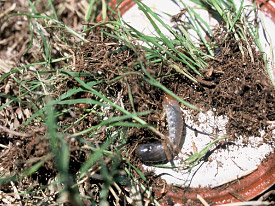
While a healthy turf is your best defense against insect damage to your sod in Arizona, a healthy
lush lawn can also attract insects in our desert climate. One of the first
symptoms of insect damage can be dry spots that look like poor irrigation coverage.
Insects feed on the roots or shoots of plants, causing desiccation (loss moisture)
in the plant. Grubs and pearl scale feed on the roots of the plants, limiting
the ability of the turf to take in adequate moisture. Sod webworms, chinch
bugs, and ants feed on the shoots (leaves) of the turf, drying out the leaf
and causing it to wilt. While the symptoms tend to show up when the temperatures
are at their hottest, the damage probably began a month before you saw it.
Make a note to yourself to starting treating these pests next year, a full
month before you saw the first signs of damage this year.
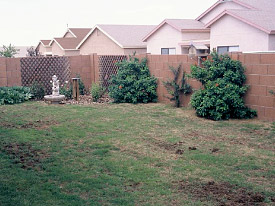
Early warning signs of insect damage to sod in Arizona: Birds pecking in the sod grass can be a sign of grubs. Rubbing your hand over an area seeing a small swarm of moths fly up is a sign that sod webworms are present. If you have a lot of “June beetles” (actually they are Masked Chafers that usually hatch and fly around the month of June) flying around the street lights, you will need to treat for them in another 30-45 days. Small mounds of dirt in the turf, or small worn paths ¼ inch wide – look out for ants!
Consult your local nursery or home center for the best insect control. Use only the recommended rate for insecticides! “More” is not “better” when it comes to insecticides. For more detailed information and sketches of some of these insects you can visit the Master Gardner website.